Description
Multi Engine Piston Rating at Halfpenny Green
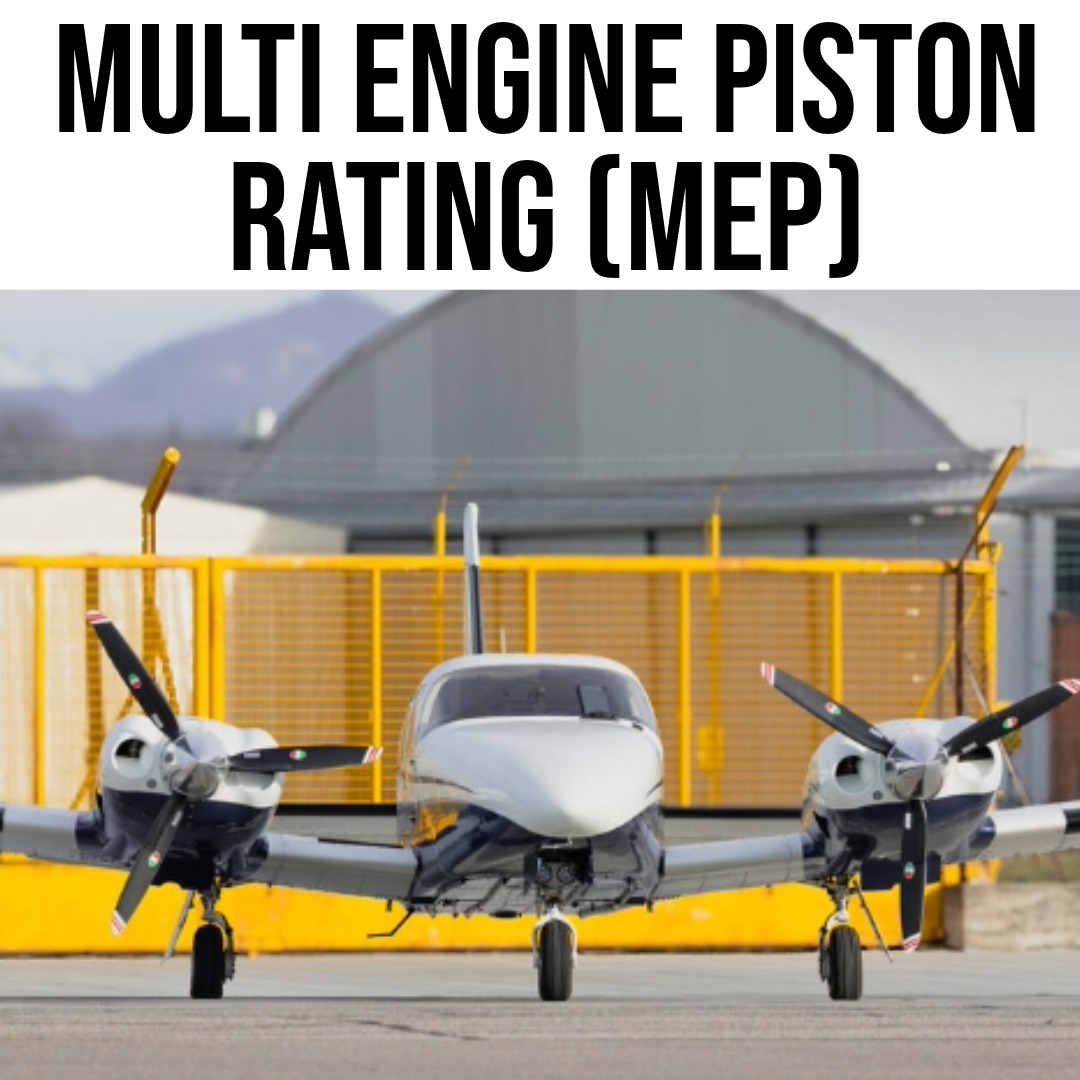
Take the next step in your flying career with a Multi Engine Piston Rating at Almat Flying Academy, based at Wolverhampton Halfpenny Green Airport in the West Midlands.
The MEP rating develops the knowledge and practical skills needed to operate multi-engine piston aircraft safely and confidently. You will learn how to manage the additional speed, performance, systems and workload associated with twin-engine aircraft, including essential engine-failure and asymmetric-flight procedures.
Whether you are progressing towards a Commercial Pilot Licence, preparing for multi-engine instrument training or expanding your flying privileges, the Multi Engine Piston Rating is an important milestone in your development as a professional pilot.
Multi Engine Piston Rating: Quick Course Facts
Course: Multi Engine Piston Rating – MEP
Training location: Almat Flying Academy, Halfpenny Green
Minimum ground training: 7 hours
Minimum flight training: 6 hours of dual instruction – Plus 2 hours for Skills Test
Assessment: Written theoretical knowledge examination and MEP skill test
Minimum experience: 70 hours as Pilot in Command on aeroplanes for an initial MEP rating
The UK CAA requires an initial MEP course to include at least seven hours of theoretical knowledge instruction. Flight training must include at least 2.5 hours of normal multi-engine operations and at least 3.5 hours covering engine failures and asymmetric-flight techniques.
What Is a Multi Engine Piston Rating?
A Multi Engine Piston Rating is a class rating that allows a suitably licensed pilot to operate aircraft powered by more than one piston engine.
Moving from a single-engine aircraft to a twin-engine aircraft introduces new systems, procedures and decision-making responsibilities. During your MEP training, you will develop a structured approach to operating the aircraft during both normal and abnormal situations.
Particular attention is given to engine-failure recognition, aircraft control, performance management and safe asymmetric flight.
What Will You Learn?
Your Multi Engine Piston Rating training will cover the key knowledge and flying skills required for safe twin-engine operations.
Topics may include:
- Multi-engine aircraft systems and limitations
- Normal operating procedures
- Aircraft performance and flight planning
- Mass and balance
- Constant-speed propeller operation
- Retractable landing gear procedures
- Engine-failure recognition and response
- Asymmetric flight principles
- Single-engine performance
- Emergency procedures
- Circuit procedures, approaches and landings
- Preparation for the MEP skill test
Training is designed to help you manage a more complex aircraft while maintaining accuracy, situational awareness and effective decision-making.
Multi Engine Piston Rating Course Structure
Ground School
You will complete at least seven hours of theoretical knowledge instruction in multi-engine aeroplane operations.
Ground training prepares you to understand the aircraft’s systems, limitations, performance and emergency procedures before applying that knowledge in flight.
A written theoretical knowledge examination is completed through the Approved Training Organisation.
Flight Training
The minimum flying course includes six hours of dual instruction:
- At least 2.5 hours covering normal multi-engine aeroplane operations
- At least 3.5 hours covering engine failures and asymmetric-flight techniques
Additional training may be recommended when needed to ensure you are fully prepared for the skill test.
MEP Skill Test
After completing the approved course and reaching the required standard, you must pass a skill test with a suitably qualified examiner.
The test assesses your ability to operate the aircraft safely as Pilot in Command during normal, abnormal and emergency situations. UK CAA rules require the skill test to be passed within six months of starting the course.
Multi Engine Piston Rating Entry Requirements
For the initial issue of a UK CAA Multi Engine Piston Rating, applicants must normally have:
- A current and valid UK CAA flight crew licence
- At least 70 hours as Pilot in Command on aeroplanes
- A current language-proficiency level acceptable to the UK CAA
- A valid Part-MED medical certificate appropriate to the licence held
Your licence, medical, experience and logbook should be reviewed before training begins. Contact Almat Flying Academy if you are unsure whether you meet the entry requirements.
Who Is the MEP Course For?
The course is suitable for qualified pilots who want to:
- Progress towards a Commercial Pilot Licence
- Begin or continue a modular airline-pilot pathway
- Prepare for a Multi-Engine Instrument Rating
- Develop experience in more complex aircraft
- Add multi-engine piston privileges to their licence
- Improve their understanding of engine-failure and asymmetric-flight procedures
An MEP rating does not, by itself, give you the privileges to operate under Instrument Flight Rules. Pilots pursuing multi-engine IFR privileges will also need the appropriate Multi-Engine Instrument Rating.
Why Train at Almat Flying Academy?
Almat Flying Academy combines professional flight training with a supportive and friendly environment.
The academy’s commercial training pathway is designed around flexible, modular progression. This allows pilots to work towards professional qualifications while managing employment, family and other commitments.
Benefits of training with Almat include:
- Experienced instructors with commercial aviation backgrounds
- Competitive Pricing
- Structured and personalised flight training
- Flexible training around your availability
- A safety-focused learning environment
- Support throughout your modular training journey
- A central West Midlands location
- Convenient access from Wolverhampton, Birmingham, Dudley, Kingswinford, Bridgnorth and surrounding areas
Almat Flying Academy is based at Wolverhampton Halfpenny Green Airport, Crab Lane, Stourbridge, West Midlands, DY7 5DY.
Frequently Asked Questions
How many flying hours are required for an MEP rating?
The minimum approved course contains six hours of dual flight instruction. This consists of at least 2.5 hours of normal multi-engine operations and at least 3.5 hours of engine-failure and asymmetric-flight training.
Some students may need additional training before they are ready for the skill test.
How much ground school is included?
The UK CAA requires at least seven hours of theoretical knowledge instruction in multi-engine aeroplane operations.
Do I need 70 hours as Pilot in Command?
For the initial issue of a UK CAA Multi Engine Piston Rating, you must have completed at least 70 hours as Pilot in Command on aeroplanes.
Do I need to pass an examination?
Yes. You must pass a written theoretical knowledge examination organised by the Approved Training Organisation and complete an MEP skill test with a suitably qualified examiner.
Can I use the MEP rating to fly under Instrument Flight Rules?
The MEP rating allows you to operate aircraft within the relevant multi-engine piston class. It does not provide instrument-flying privileges by itself. A suitable Instrument Rating is required to fly under IFR.
Is an MEP rating required for commercial pilot training?
An MEP rating is commonly completed by pilots following a modular commercial or airline-pilot pathway, particularly before Multi-Engine Instrument Rating training. The exact order of training will depend on your experience and chosen pathway.
Where does the training take place?
Training is planned from Almat Flying Academy at Wolverhampton Halfpenny Green Airport in the West Midlands.