
Commercial Pilot Training Courses
-

ATPL Theory Training
Read More -
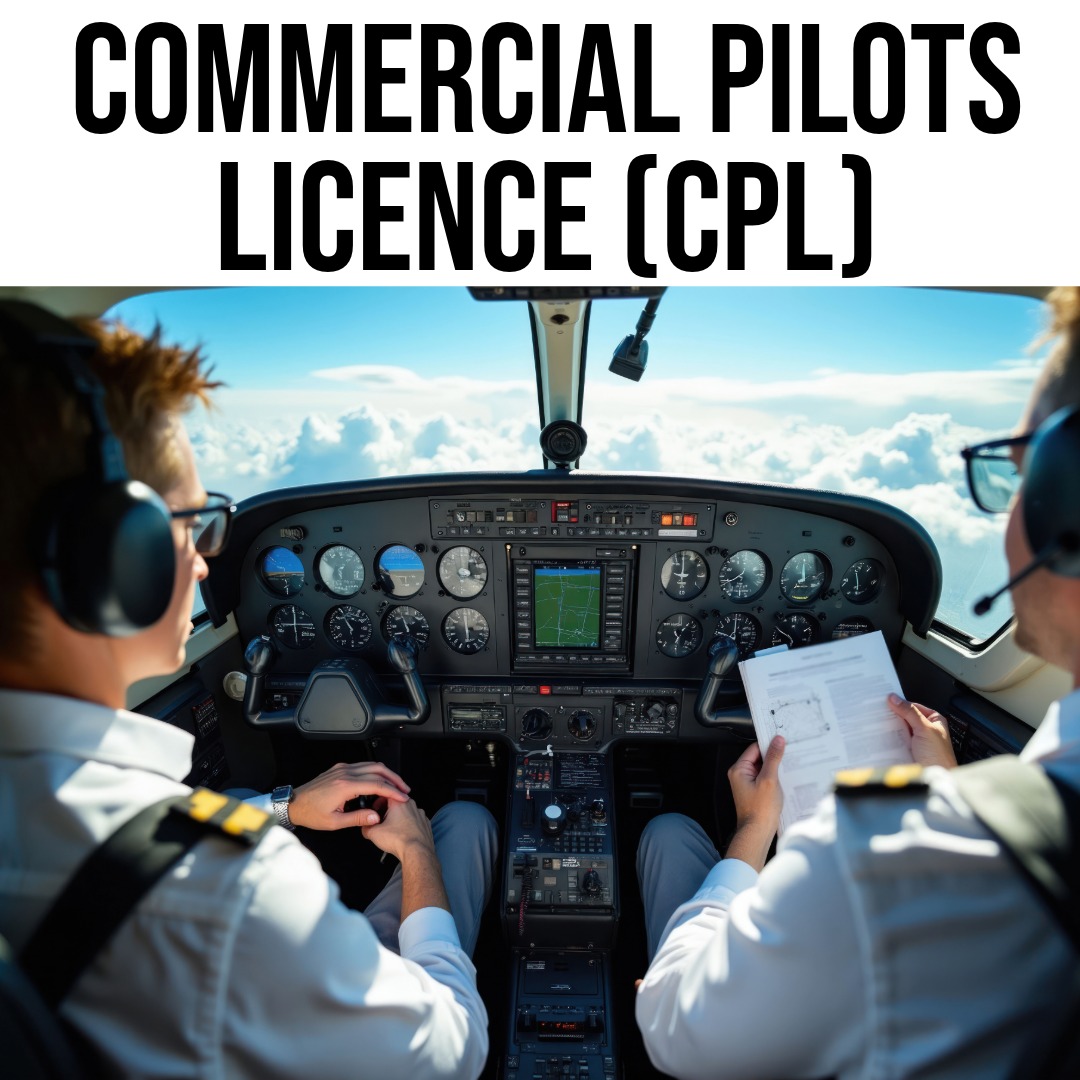
Commercial Pilot Licence (CPL) Training at Halfpenny Green
Read More -
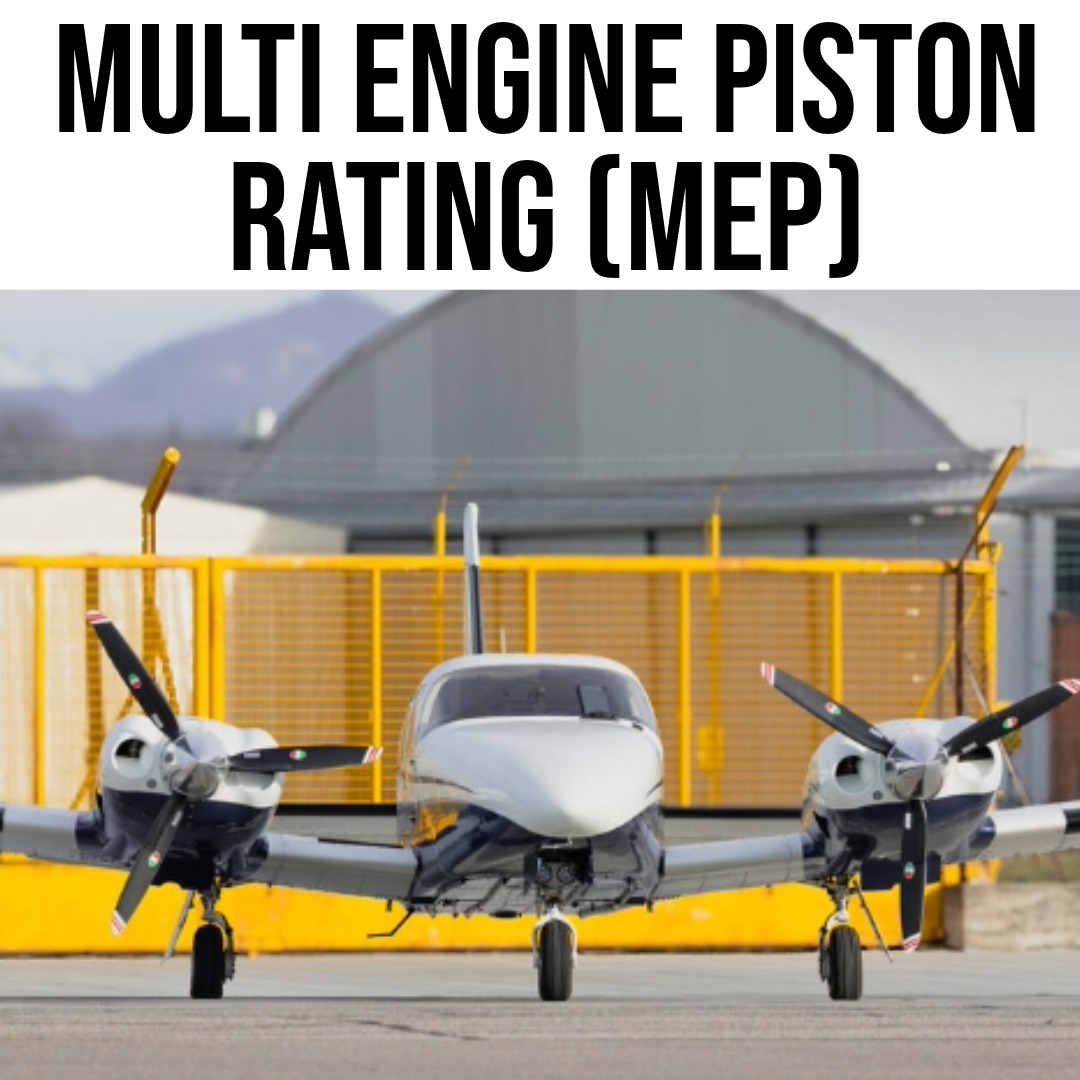
MEP Multi Engine Piston Rating (MEP) at Halfpenny Green
Read More -
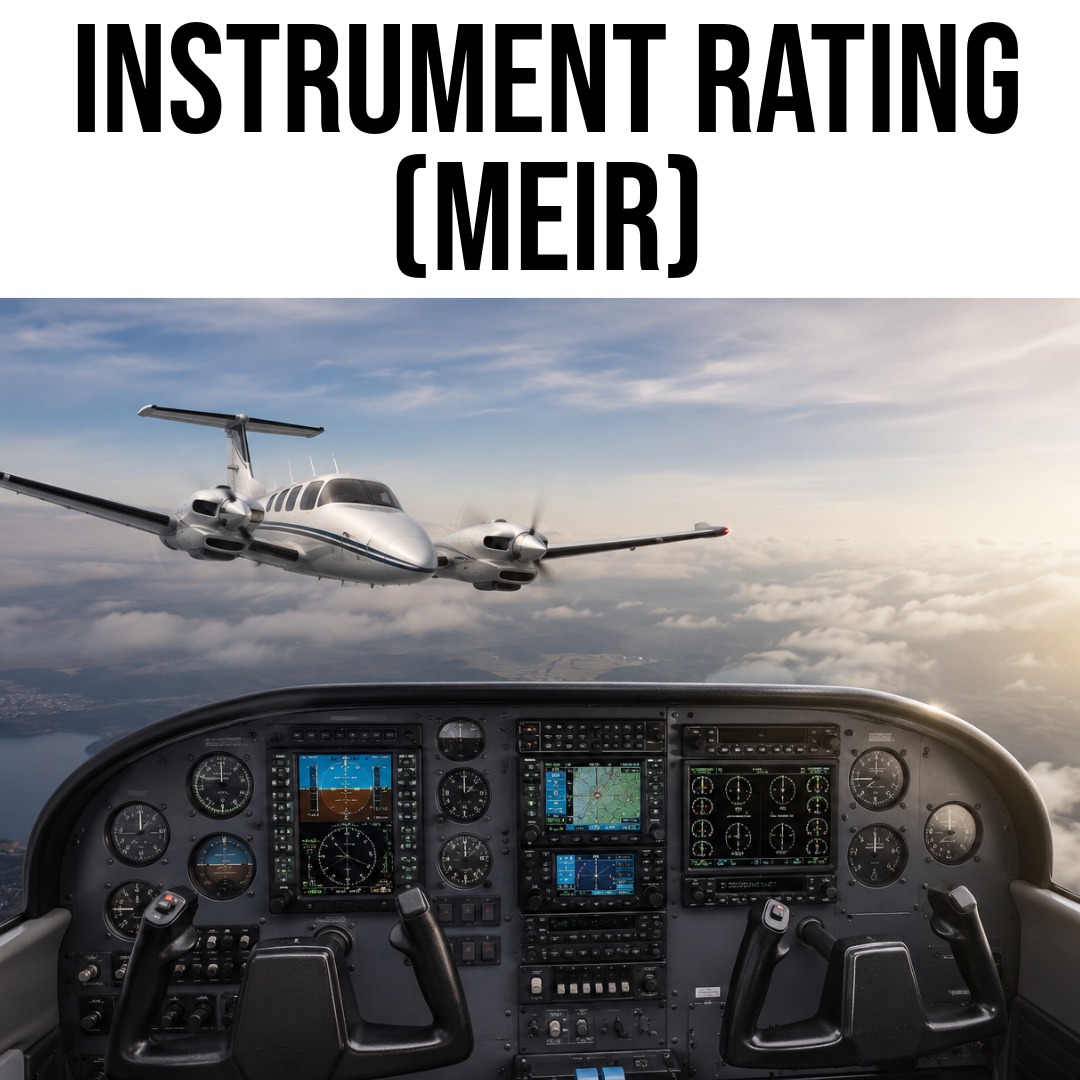
Multi Engine Instrument Rating (MEIR) at Halfpenny Green
Read More -

Flight Instructor – FI(A) Course
Read More -

Sponsored Flight Instructor Course
Read More -

Class Rating Instructor (CRI) Course
Read More -

The Ultimate Guide to Becoming a Flight Instructor
Read More -

Modular Pilot Pathway
Read More
If you want to fly for a living, there’s a clear route to get there. Whether you’re starting from a Private Pilot Licence and want to work towards a full commercial career, or you already hold some ratings and need the next piece of the puzzle, Commercial Pilot Training courses are designed to take you from where you are now to where you want to be.
Commercial courses, such as CPL, MEP and Instrument Rating training are delivered at the Almat Flying Academy Premises, Halfpenny Green, by our commercial training partner, Central Flight Training, a UK CAA-approved training organisation.
Almat’s own Flight Instructor and Class Rating Instructor courses are delivered directly by us.
Below you’ll find an overview of the licence, ratings and pathway on offer, with links through to full details, requirements and how to get started on each.
Explore the available training options above, or register your interest in Almat’s upcoming training programme.
Understanding the route to a commercial pilot licence
A Commercial Pilot Licence (CPL) is what allows a pilot to be paid to fly; it’s the qualification that separates flying as a hobby from flying as a career. But the CPL itself is only one part of the picture. Most professional pilots also need a multi-engine rating, since the majority of commercial aircraft have more than one engine, and an instrument rating, which allows flight in cloud and poor visibility using instruments alone rather than visual reference to the ground.
Courses we offer:
- CPL – the core commercial licence itself
- MEP (Multi-Engine Piston) – the class rating that qualifies you to fly twin piston aircraft
- MEIR (Multi-Engine Instrument Rating) – an instrument rating flown and held on a multi-engine aircraft, combining instrument flying privileges with multi-engine competence. In this case a CBIR route is offered.
Training modularly, building each qualification up in stages, alongside your existing commitments, is a well-established route into commercial aviation.
The Modular Pilot Pathway: PPL to CPL, step by step
For anyone starting from a Private Pilot Licence with commercial ambitions, the Modular Pilot Pathway maps out the full modular journey – from your PPL through to a CPL, picking up the ratings in between along the way. Rather than treating each qualification as a separate, disconnected purchase, the Pathway is structured as a coherent sequence, so you always know what stage you’re at and what comes next.
This modular approach suits pilots who want to train at their own pace, spread the cost of training over time, or continue working or studying while they build hours and qualifications. It’s a genuine alternative to full-time integrated courses, without sacrificing the structure that makes a written plan and a clear finish line achievable.
Full details on entry requirements, the order of training, and what’s included at each stage are on the Modular Pilot Pathway page.
Commercial Pilot Licence (CPL)
The CPL is the licence that permits you to act as a professional pilot and be remunerated for flying. It sits on top of the flying experience and theoretical knowledge you’ll have already built up through your PPL and hour-building, and is completed through a dedicated flight training course culminating in a formal skills test with an examiner.
Because the CPL sits at the centre of any commercial career, whether you’re aiming for airline flying, instructing, charter work, or something more specialist – getting the timing, sequencing, and preparation right matters. Visit the CPL course page for full entry requirements, course structure, and how to get in touch.
Multi-Engine Piston (MEP) Rating
Most commercial aircraft are multi-engine. The MEP rating is the class rating that qualifies you to act as pilot in command of multi-engine piston aircraft, covering the additional handling skills, systems knowledge, and asymmetric flight techniques that flying with two engines demands.
For pilots on a commercial pathway, MEP training is typically taken once you’ve built sufficient pilot-in-command experience on single-engine aircraft, and it’s a natural companion to instrument training on the same aircraft type. See the MEP course page for entry requirements and course details.
Multi-Engine Instrument Rating (MEIR)
An instrument rating is what allows a pilot to fly safely and legally in instrument meteorological conditions: cloud, poor visibility, or at night. Navigating and controlling the aircraft using instruments rather than visual references outside. Taking that instrument training on a multi-engine aircraft, as a MEIR, combines it directly with multi-engine competence, which is how most pilots heading towards a MEIR is a substantial, exam-and-flight-test-based qualification with defined theoretical knowledge and flight training requirements set by the UK CAA. For the specifics of what’s involved and how the course runs at Almat, visit the MEIR course page.
Choosing the right route for you
Not every pilot needs to take every qualification, and not every pilot needs to take them in the same order. Some questions worth thinking through before you commit to a course:
- Are you starting from scratch, or do you already hold a PPL and some ratings? If you’re starting from PPL, the Almat Pilot Pathway gives you a single, structured route through everything you need.
- Do you know which type of commercial flying you’re aiming for? Different career routes place different weight on multi-engine time, instrument experience, and total hours. It’s worth having a rough idea of your end goal before sequencing your training.
- How do you want to pace your training? Modular training, taken step by step, tends to suit pilots balancing training with work, study, or other commitments, and allows costs to be spread over a longer period than an intensive full-time course.
If you’re not sure which combination is right for you, book a FREE consultation and we can talk through your existing experience, your career goals, and the best route for you.
Frequently asked questions
Do I need a multi-engine rating to get a CPL? No. A CPL can be taken on single-engine aircraft. However, most professional flying roles, and particularly airline roles, require multi-engine and instrument qualifications, so most commercially-minded pilots take an MEP and/or MEIR alongside or shortly after their CPL.
What’s the difference between MEP and MEIR? MEP is a class rating that qualifies you to fly multi-engine piston aircraft under visual conditions. MEIR adds instrument flying privileges on a multi-engine aircraft, allowing flight in cloud and reduced visibility. Many pilots take MEP first and build towards MEIR, though training can also be sequenced differently depending on the course.
Can I train for a CPL part-time, alongside work or study? Yes. Modular training, the approach the Modular Pilot Pathway is built around, is specifically designed to let you build flying experience and qualifications in stages, rather than requiring a continuous full-time course.
Where does hour-building fit into this? Before starting CPL training, pilots need to have built up a substantial amount of flying experience beyond the PPL minimum. If you haven’t yet built the hours you need, that’s usually the starting point before CPL training itself begins; ask us about how this fits into your overall plan.
Ready to take the next step? Explore the Modular Pilot Pathway, or go straight to the CPL, MEP or MEIR course pages for details.
Where does my training take place
*Our commercial courses are delivered onsite via a training partner, CFT UK ATO 0135 at our premises, Almat Flying Academy Unit 29b, Wolverhampton Airport, Crab Lane, Stourbridge, DY7 5DY.